

Share this page:


How Much Better Can a Recording Studio Be When You Choose the Right Sound-Absorbing Material?
The Story of Studio Chaeng Watthana and How It Solved Its Acoustic Challenges Across Two Rooms Using Trandar Afibus and Trandar dBphon
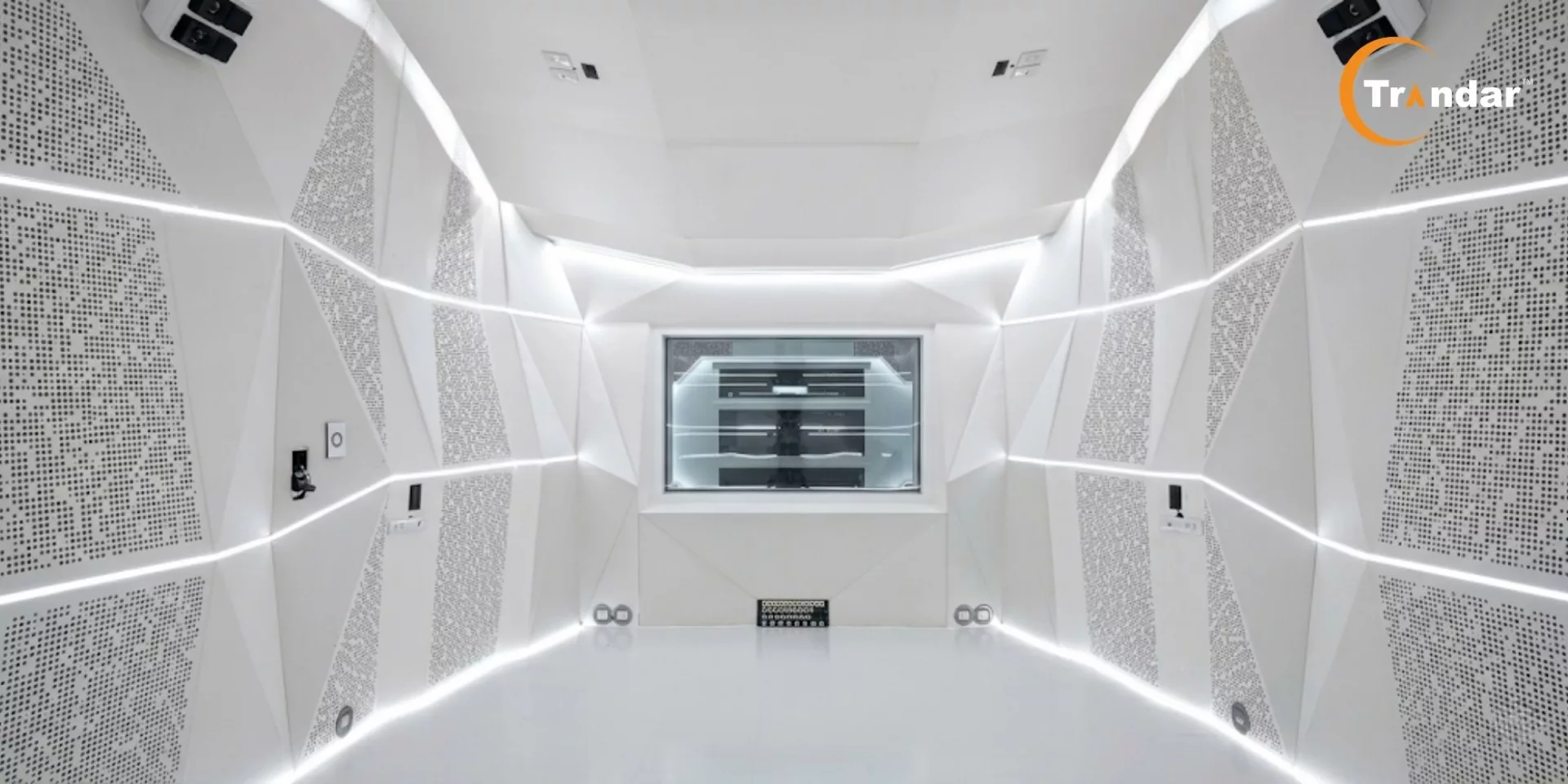
"It sounded great while mixing in the room, but when played elsewhere, it sounded completely different."
"The recording room always echoes, and we don't know how to fix it."
"Why does a mix I spent hours on sound terrible once it's played outside?"
If you've ever faced these issues — you didn't do anything wrong, your room is just lying to your ears.
📖 The Story of Studio Chaeng Watthana — When Great Equipment Isn't Enough for an Unprepared Room
In the world of music production and sound engineering, musicians and sound engineers know that the room is the most important instrument of all. No matter how expensive the microphone is, or how powerful the DAW is, if the workspace hasn't been acoustically designed properly, none of it matters.
Studio Chaeng Watthana is a recording and mixing studio fully equipped with high-quality microphones, audio interfaces, and professional DAWs. However, the problem the studio owner faced every single day had nothing to do with that equipment.
The problem was the room.
Both rooms—the recording room and the mixing room—had acoustic issues quietly undermining their work quality. That was where our team came in to tackle the challenge.
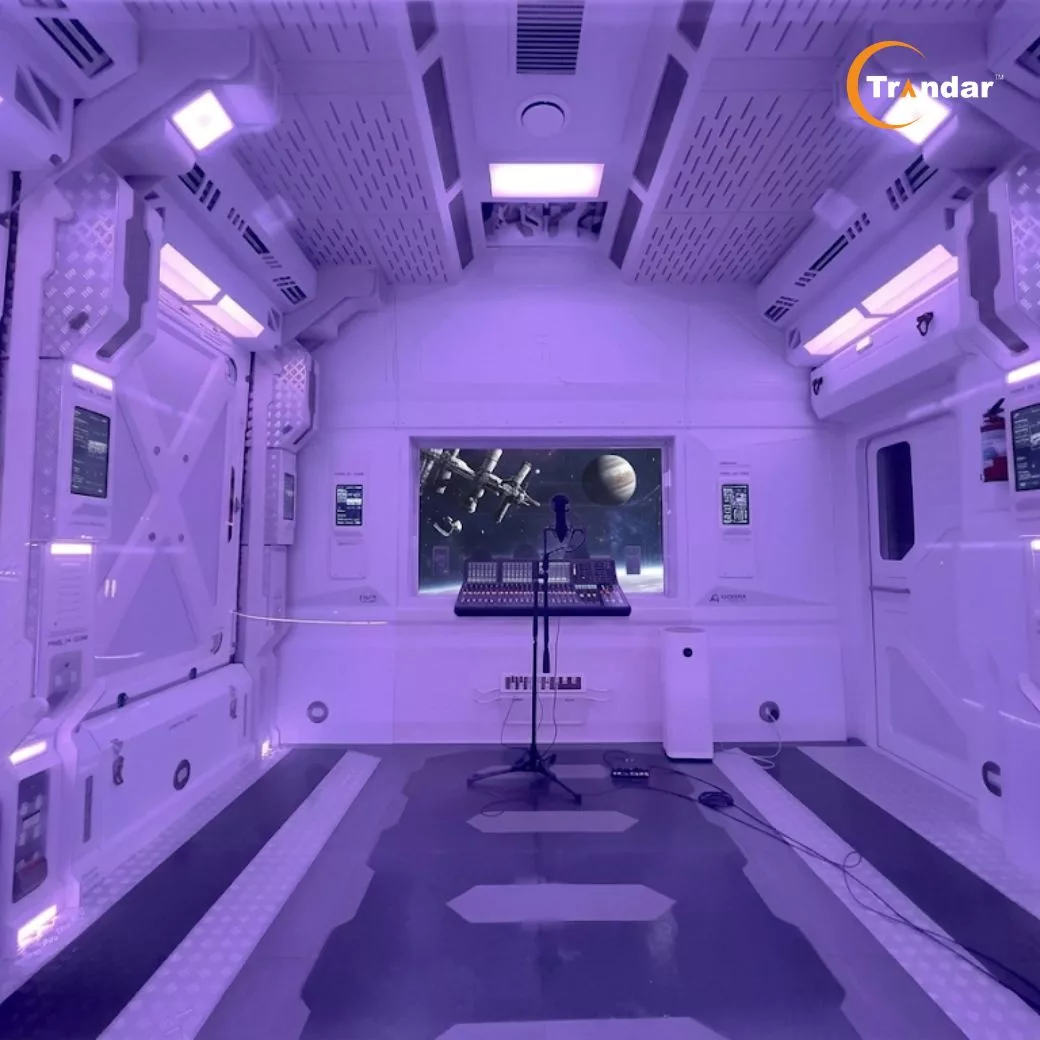
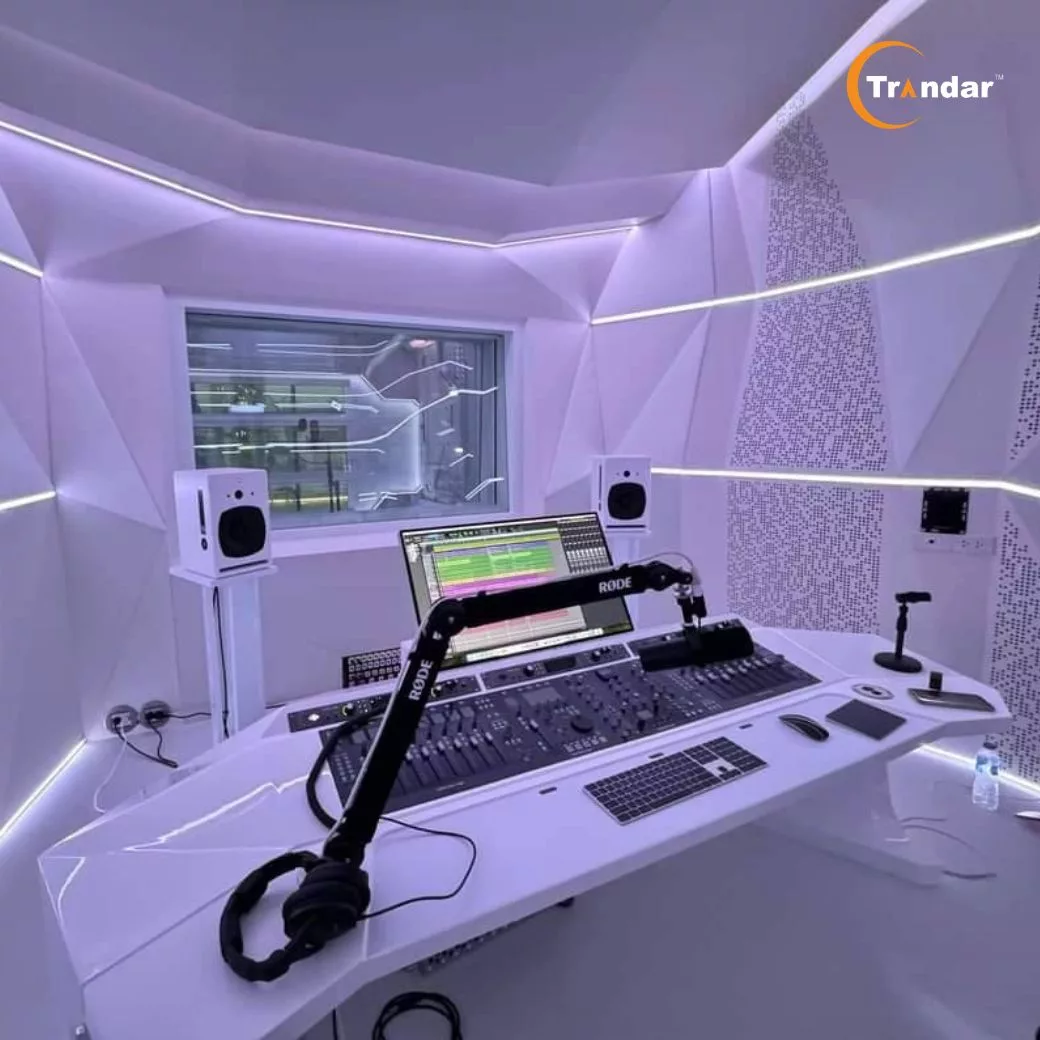
🔊 Hidden Issues Lurking in Every Session
When our team inspected both rooms, we found typical problems common in studios lacking acoustic treatment.
The recording room had an excessively high reverb time in the mid-high frequency range, leaving unwanted tails on vocals and instruments. During recording, singers and musicians continuously heard echoes bouncing around the room, making it difficult to judge whether a take was good enough.
Meanwhile, the mixing room suffered from a more severe issue: bass buildup in the corners, causing abnormal low-frequency bloating. When the sound engineer sat down to mix, what they heard wasn't the true sound from the monitors, but sound distorted by the room. As a result, mixes made in this room sounded overly heavy or weak in bass on other sound systems because the mixing decisions were based on a flawed foundation from the start.
🛠 Our Chosen Solution — The Right Spot, The Right Room, The Right Problem
After analyzing all the data, we recommended Trandar products specifically designed for acoustic applications, tailoring the solutions to the distinct characteristics of each room.
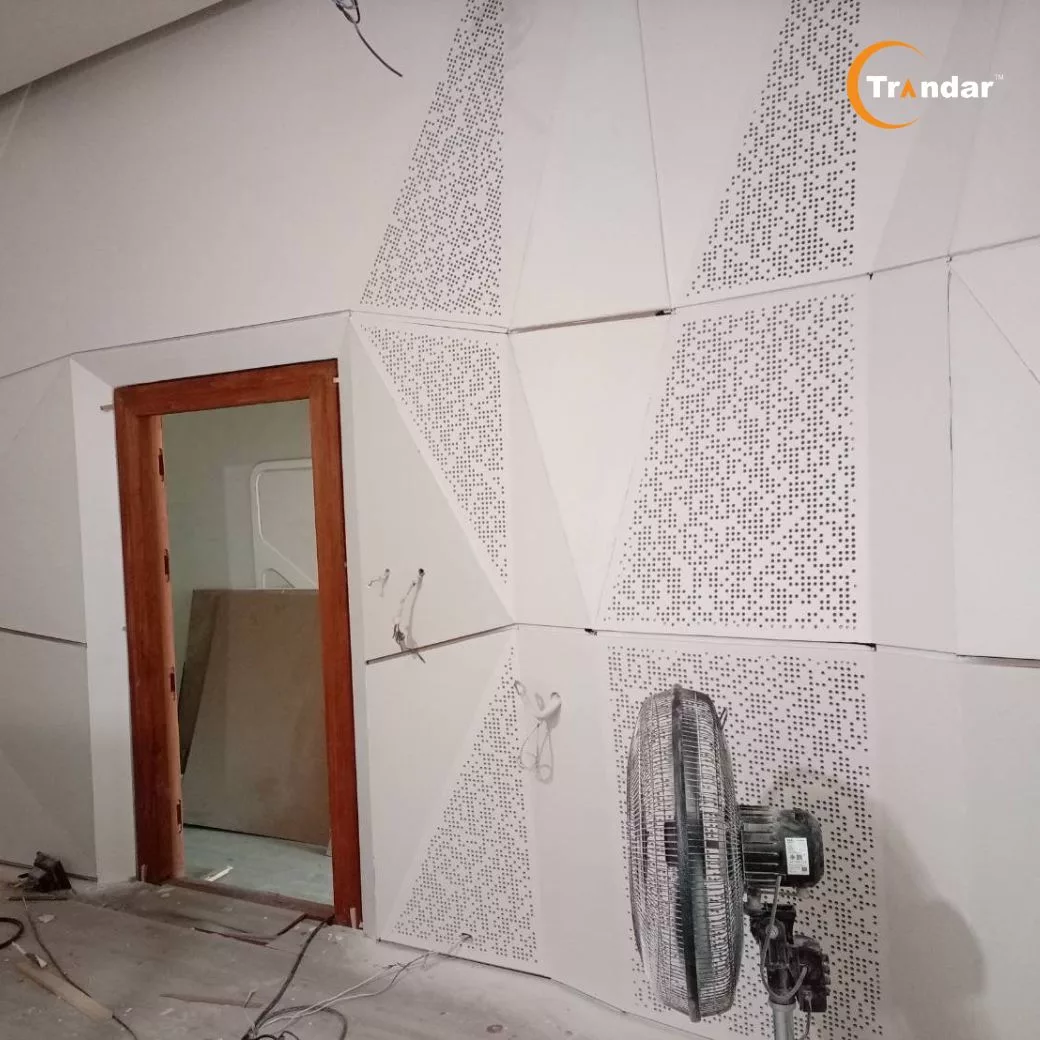
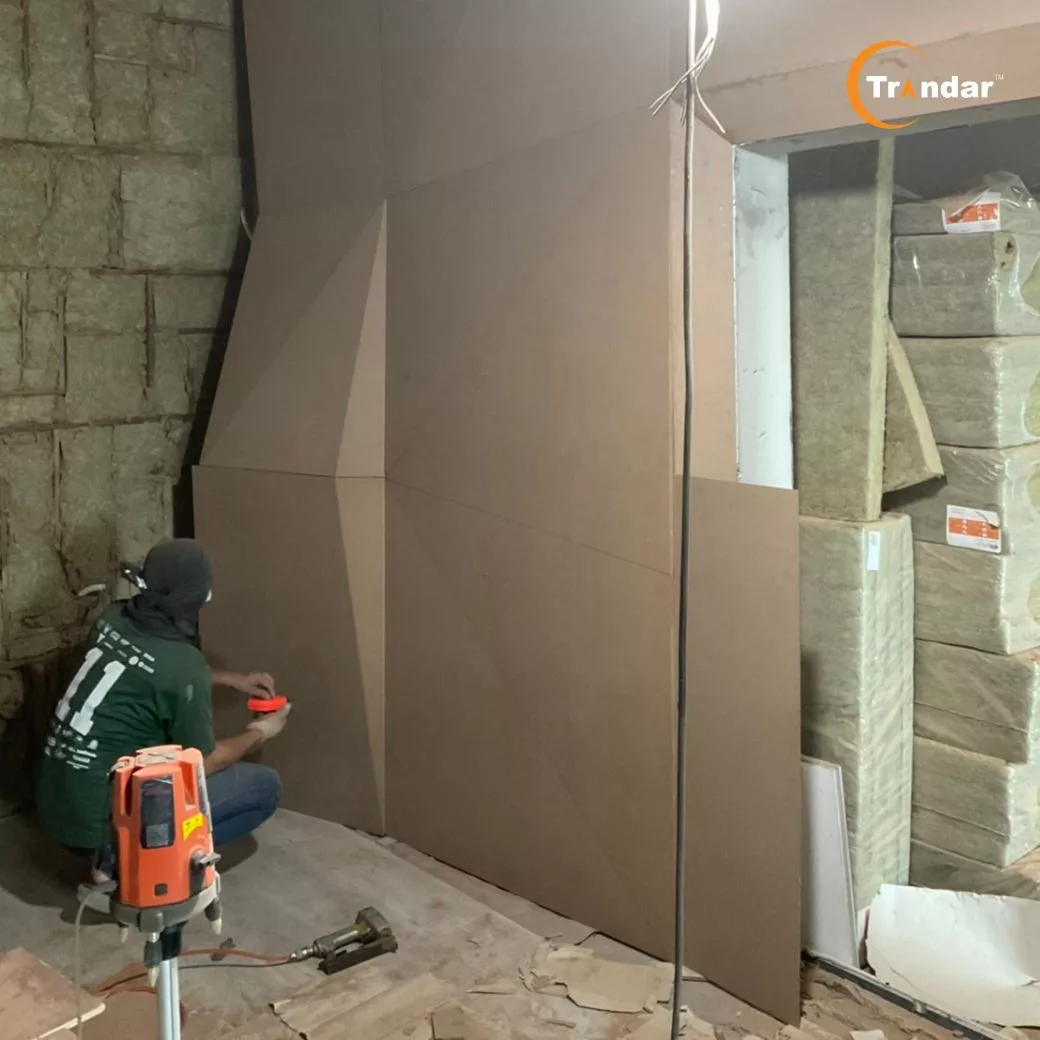
✅ Trandar Afibus in White — Controlling Reflections Across All Areas
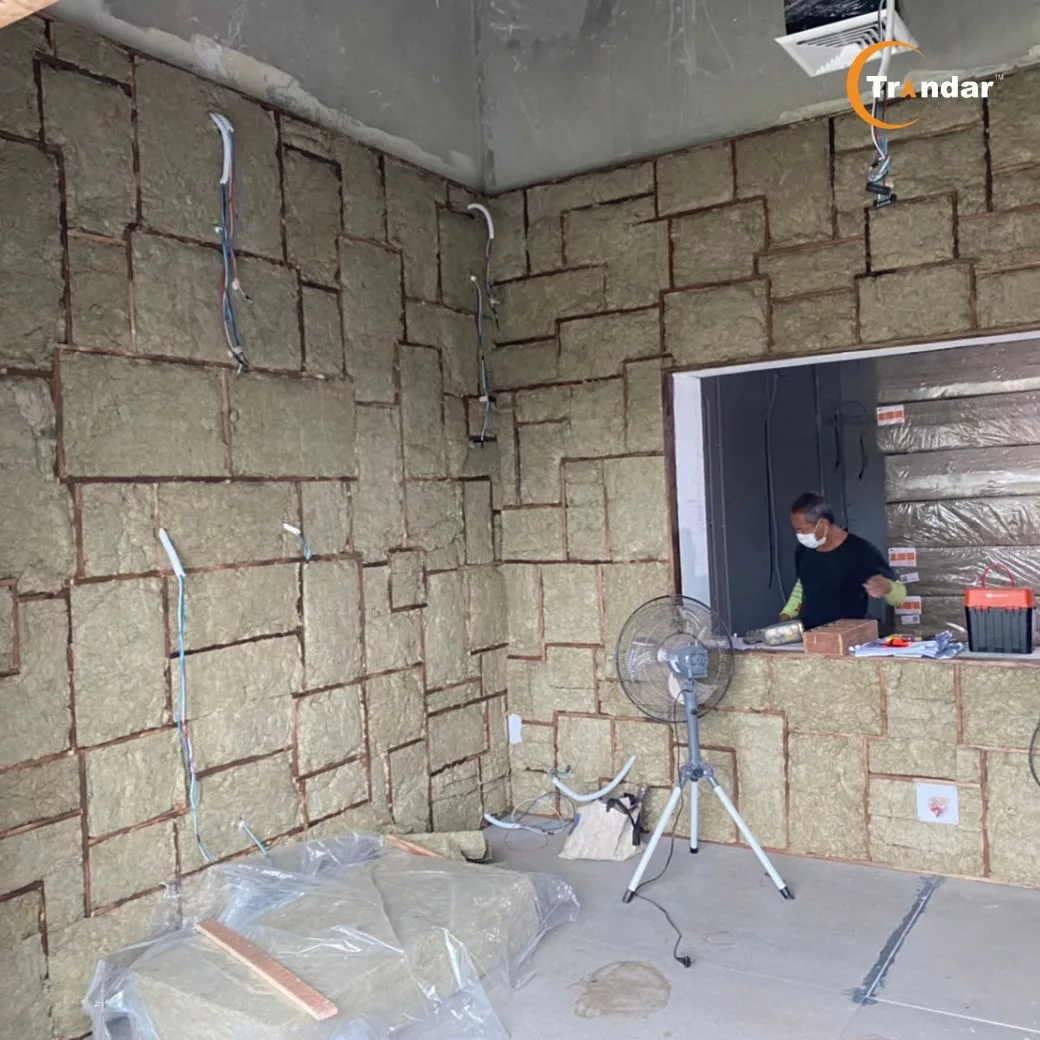
Afibus was installed in both rooms to directly manage mid- and high-frequency echoes. This material absorbs sound waves striking the walls and ceiling before those reflections can interfere with performers and engineers. The choice of white also keeps the rooms looking clean and professional.
✅ Trandar dBphon — Precisely Tackling Corner Bass Issues
This is the key problem solver for the dBphon mixing room, acting as a Bass Trap that effectively absorbs low-frequency sound that typically accumulates in room corners. Once Bass Buildup is reduced, the sound in the mixing room begins to reflect reality much more accurately. Sound Engineers can trust what their ears hear, and every mixing decision becomes significantly more precise.
All installation positions are designed in accordance with actually measured data in each room—not just placed to look good, but positioned for maximum acoustic performance.
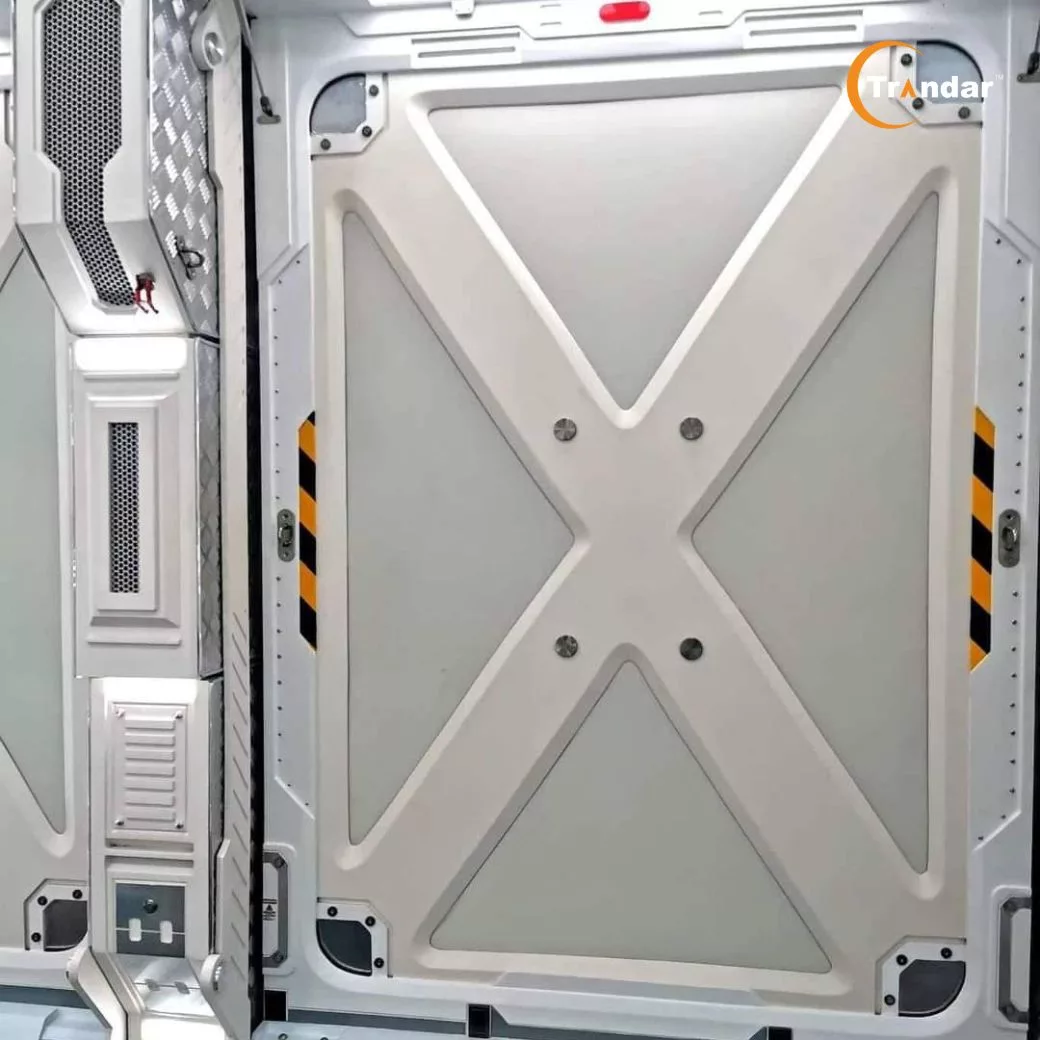
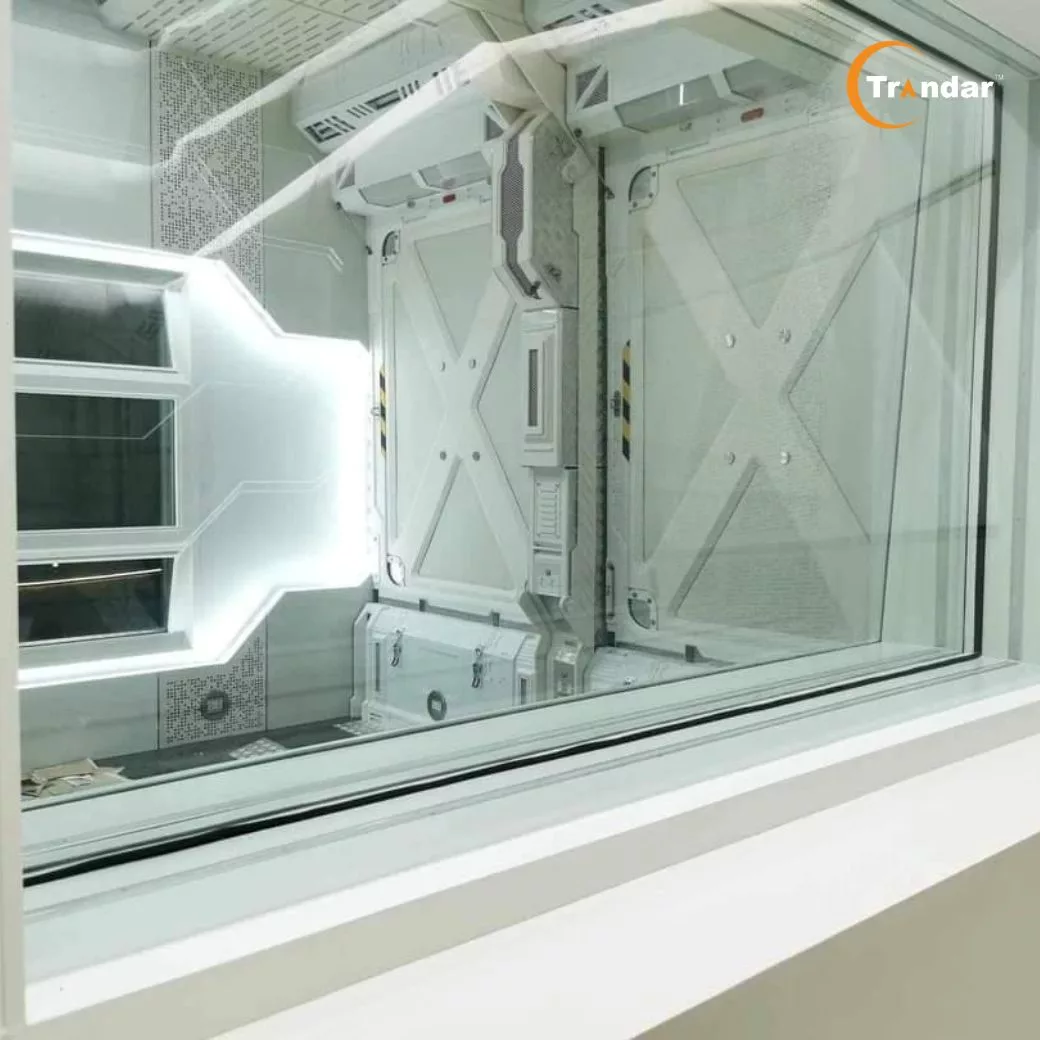
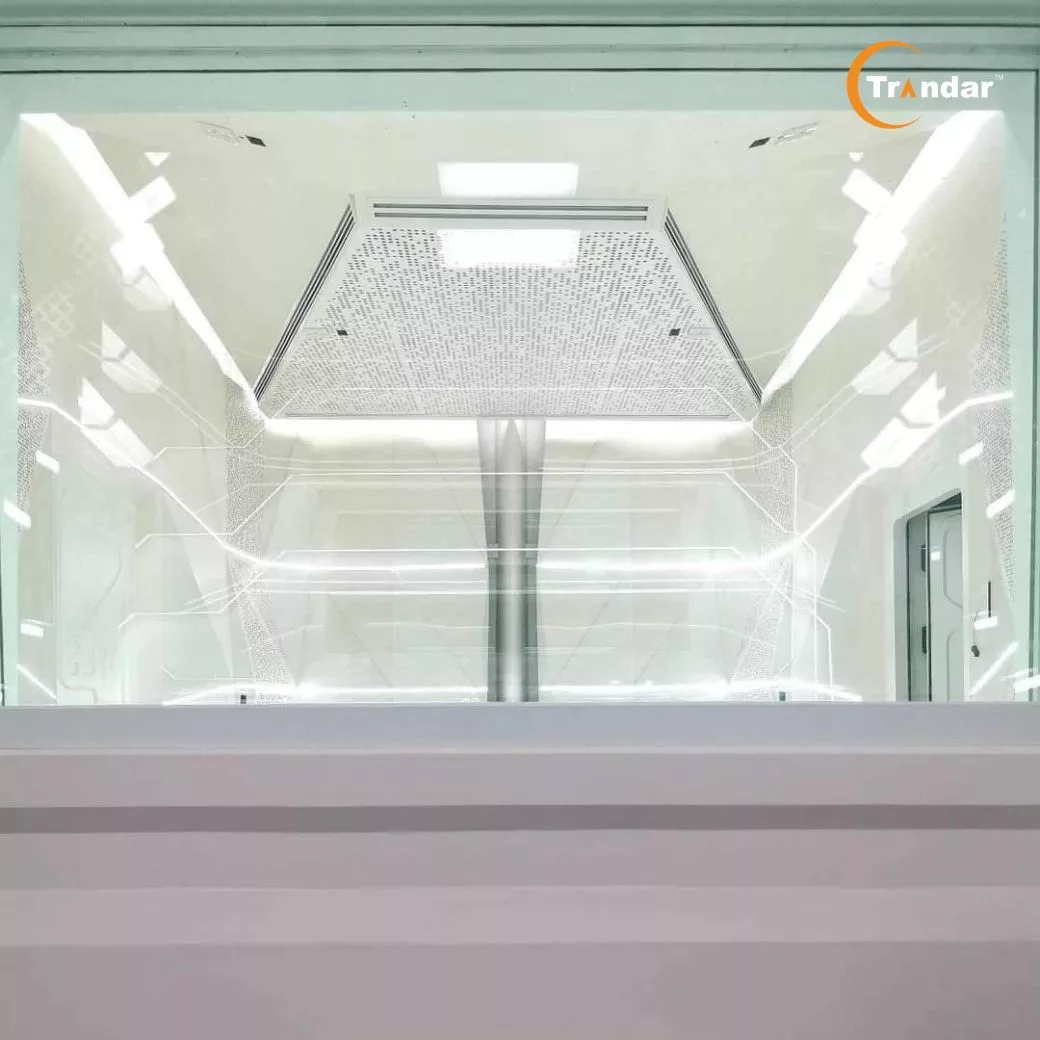
🎧 Results — When your ears can trust the room again
After completing the installation in both rooms, the team at Studio Chaeng Watthana retested and found that the acoustic values reached the desired target range, including reduced Reverb Time in the recording room and a noticeable elimination of bass buildup in the corners of the mixing room.
But the most important thing is not the numbers — it is the feeling of the people working inside that room.
When a Sound Engineer can mix a track and "trust" what their ears hear, it means the work produced from this room will deliver accurate sound to listeners across all playback systems, whether headphones, car speakers, or cinema sound systems.
Good sound starts with a good room — and a good room starts with proper design.
Studio Chaeng Watthana is a prime example that investing in the right acoustic materials is not just about decoration, but about elevating the working standards of the entire studio.
If you are experiencing the same issues—whether echoing, mixes that don't translate well on other systems, or abnormal bass heaviness—the problem might not be your equipment, but the room you sit and work in every day.
Inquire/order Trandar Acoustics products at
🛒 Website : www.trandar.com/store/
📱 Line OA : @Trandaraocoustic https://lin.ee/yoSCNwF
📱 Line OA : @Trandarstore https://lin.ee/xJr661u
☎️ Tel : 02-722-7007
Your email will not be displayed to others. Required fields are marked *
 ไทย
ไทย
 中文
中文
 日本語
日本語
 한국어
한국어
 English

