

Share this page:


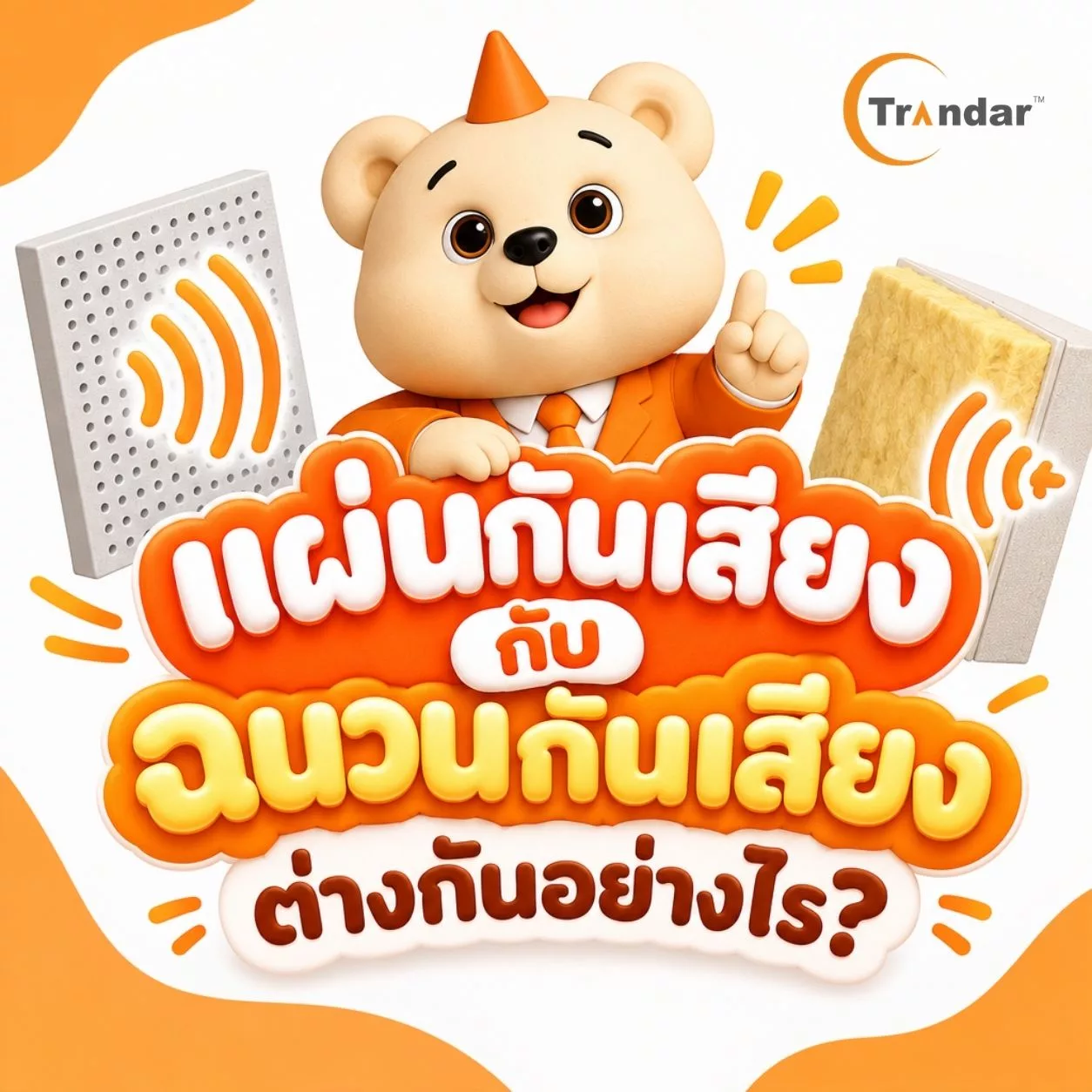
: Soundboards are dense, rigid materials used for the exterior and interior wall surfaces of a system, designed to block sound waves through mass and typically featuring vibration-damping technology within the board. On the other hand, acoustic insulation consists of soft, porous fibrous materials, such as rock wool or glass wool, placed inside the wall cavity to absorb sound energy reverberating within the air space. Both serve different functions and cannot be used interchangeably. A complete soundproof wall requires both soundboards and acoustic insulation used together. Insulation alone cannot be used as a wall surface, and soundboards alone will not achieve maximum performance without sound-absorbing insulation in the wall cavity.
This is a common confusion because both soundboards and acoustic insulation contain the word "sound" in their names, leading many to believe they are the same material or can be used interchangeably. In reality, they are completely different materials that serve distinct functions and must work together to achieve optimal acoustic results. This article clearly explains the differences between the two.
A soundboard is a high-density, rigid material used for both the exterior and interior surfaces of a wall system. Its primary function is to block sound waves using its own mass, following the principle that heavier materials are more effective at stopping sound transmission. High-quality soundboards often feature embedded damping compound technology, which helps dissipate sound vibration energy beyond just the mass of the board alone. Soundboards are visible and touchable as the surface finish of the wall, and can be painted or decorated just like standard walls.
Acoustic insulation is a soft, porous fibrous material, such as rock wool or glass wool. It is not used as a visible wall surface, but is installed inside the wall cavity between soundboards on both sides. It functions to absorb sound energy traveling into the air space, reducing reverberation within the cavity that could otherwise amplify certain sound frequencies. Good quality acoustic insulation often comes with fire-retardant and thermal insulation properties as well, but on its own, it lacks the structural strength to serve as a wall surface or withstand daily impacts.
If only soundboards are used without insulation in the wall cavity, the empty space between the boards on both sides becomes an area where sound can reflect back and forth freely, which at certain frequencies can degrade the overall performance of the wall. On the other hand, if only acoustic insulation is used without rigid boards on either side, it is impossible to construct a functional wall because insulation lacks the structural strength to partition spaces or withstand daily wear and tear.
An effectively soundproof wall must therefore use soundboards as surfaces on both sides, with acoustic insulation in the middle, working together as a single system. The soundboards handle the primary sound blocking through mass, while the insulation helps absorb sound energy that penetrates into the wall cavity, preventing it from accumulating or reflecting back out.
In the Trandar Hitech Wall system, the soundboard is Trandar Zoundboard, which features damping compound technology within the board and is used for both wall surfaces. The acoustic insulation is Trandar dBphon, a rock wool insulation contained within the cavity between the two Zoundboard panels, working alongside Trandar Heplar framing as a complete wall system. This clearly demonstrates that soundboards and acoustic insulation are different types of materials that must be used together rather than choosing just one.
If you are still unsure whether your wall requires a soundboard, acoustic insulation, or both, feel free to chat with the Trandar Acoustics team. We are happy to explain and recommend materials best suited for your space.
Inquire/order Trandar Acoustics products at
🛒 Website : www.trandar.com/store/
📱 Line OA : @Trandaraocoustic https://lin.ee/yoSCNwF
📱 Line OA : @Trandarstore https://lin.ee/xJr661u
☎️ Tel : 02-722-7007
Your email will not be displayed. Required fields are marked with *
 English
 中文
中文
 日本語
日本語
 한국어
한국어
 English